


Most employees have learned to be suspicious of an unexpected email.
They look twice at unfamiliar senders. They hesitate before opening unusual attachments. They have been trained to recognize strange links, urgent requests and messages that simply do not feel right.
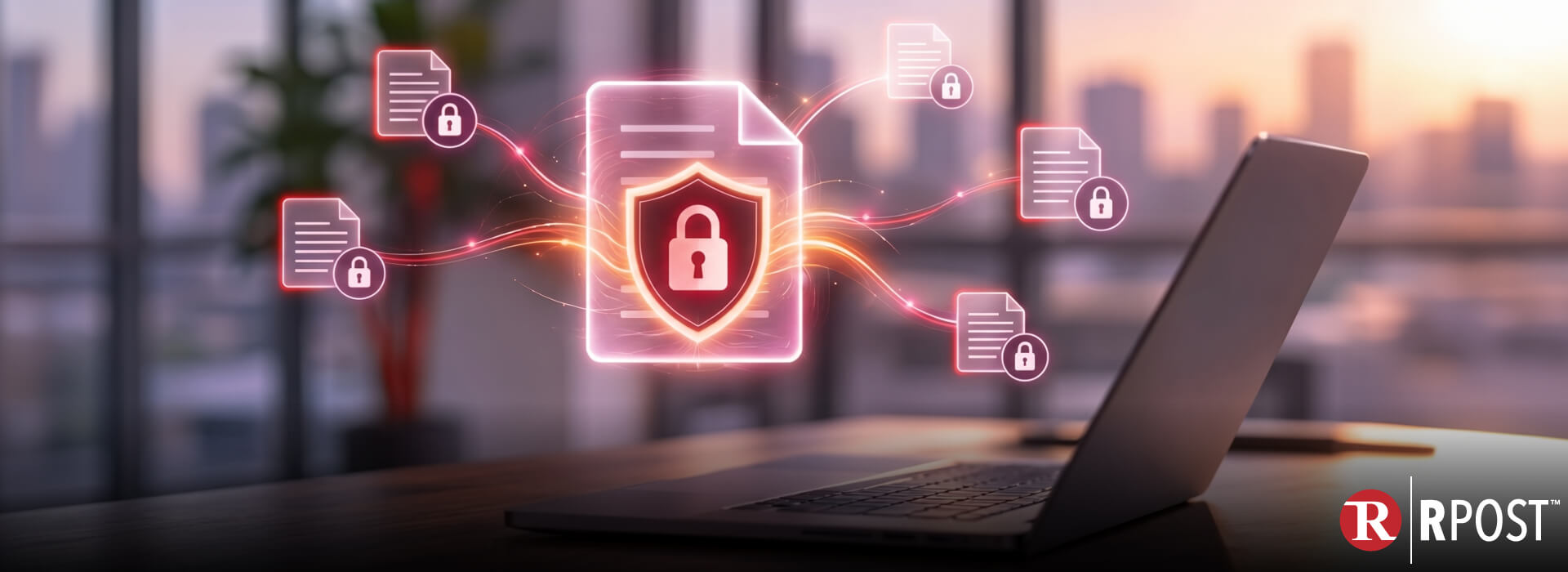
For years, businesses have built cybersecurity programs around keeping attackers out. Firewalls, endpoint security, identity controls, email filtering and data loss prevention all play an important role in that defense. But sensitive information does not need to be stolen by a hacker to become exposed.
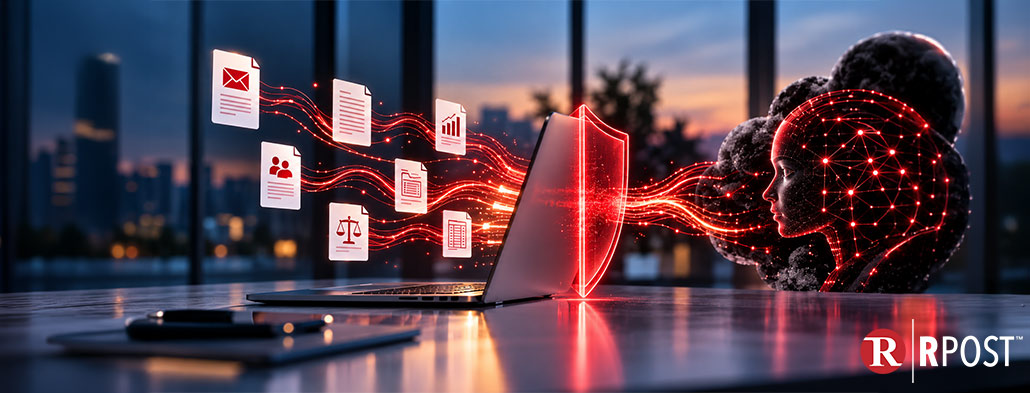
AI adoption inside the enterprise is moving faster than most security programs can comfortably govern.
An employee needs to summarize a long customer email thread, so they paste it into an AI assistant. A finance analyst uploads a spreadsheet to help identify unusual transactions. Someone in legal asks a generative AI tool to simplify a contract clause. HR uses an AI writing assistant to rewrite a performance review. A sales executive uploads a proposal to improve its wording before sending it to a prospect.

Imagine a scenario where the email you receive does not look suspicious as it comes from a trusted supplier with a familiar subject line and the conversation stretches back several weeks with your colleagues in CC and the content’s tone matches what you have seen before.

A contract leaves your company encrypted and reaches the right supplier. The transfer was secure. No phishing link was clicked. No firewall failed.
Two weeks later, the supplier’s Microsoft 365 account is compromised.
October 07, 2026
September 30, 2026
September 25, 2026
September 18, 2026
August 20, 2026